
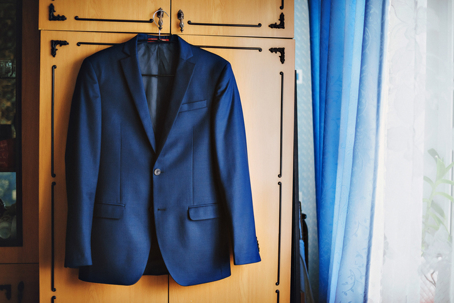
The way you present yourself in court can have an impact on the outcome of your case. First opinions do count. The wrong clothing can shift attention away from your case and send the wrong message. Dressing correctly not only shows respect for the judge, it also shows that you are reliable and responsible. Here are some guidelines for what to wear, and what not to wear, in court.
In general, clothes should be clean and fit well. Neither men nor women should wear anything that features writing or logos, teams names, or graphics of any kind. Hats are not allowed in court, unless they are worn for religious or medical reasons. Bright colors are distracting and considered attention seeking. Pajama clothing and bedroom slippers of any kind are definitely not acceptable in court.
Men should follow these guidelines when appearing in court:
- Suit and tie, if possible, in navy blue, gray, or black
- “Business casual,” such as slacks or khakis, and a collared, button down shirt. Jeans and shorts
are not acceptable.
- Leather shoes in a dark color are preferable with a suit, but any shoes with a neat appearance are acceptable. No flip-flops or overly casual shoes.
- Facial hair should be neat and trimmed
- Minimize accessories. Remove any piercing and reduce jewelry to only a watch and one or two small rings.
- Tattoos should be covered as much as possible with long sleeve shirts and long pants.
Women should follow these guidelines:
- “Business casual.” This includes tailored pantsuits, skirt suits, knee length or slight below the knee skirts, conservative blouses, or modest dresses. Shorts and jeans are not allowed.
- Appropriate colors include navy, gray, and black.
- Avoid low necklines, short hemlines, and overly tight clothing.
- Make-up should be in neutral tones and applied lightly.
- Accessories should be kept to a minimum. Large earrings are distracting and bracelets can get noisy. Keep to small earring and one or two small rings.
- Hair should be neat and clean. Long hair should be pulled back, if possible.
- Cover all tattoos and remove all piercings. Tattoos may be covered with long sleeves and long pants.
Dressing properly for court has a more serious impact on your case. If the judge does not believe you have dressed appropriately, the have the authority to turn you away at the door and not allow you to return until you are properly dressed. This could negatively impact decisions that include custody and child support. Keep all these things in mind when you are appearing in court and dress for success.